Luftscamsa - Failed Tyrolean Strategy Applied to CityLine Transition
The establishment of Lufthansa City Airlines indicates a return to a specific restructuring model first deployed by the group over a decade ago. This methodical shift of operations to a secondary Air Operator's Certificate (AOC) parallels the 2012 transfer of Austrian Airlines flights to Tyrolean Airways. Management recorded that the current launch of City Airlines is necessary to ensure competitive feeder traffic at the Frankfurt and Munich hubs. Through its investigation, Pax Sentinel has found that this tactic is a resumption of a strategy designed to bypass existing collective bargaining agreements through corporate restructuring. In 2012, the group addressed losses at its Austrian subsidiary by moving its entire fleet and crew to the Tyrolean Airways AOC. This maneuver, overseen by then-Austrian CEO Mr. Jaan Albrecht while Mr. Carsten Spohr served on the group executive board, was intended to reduce structural costs by approximately 260 million euros. The Tyrolean Precedent Industry records indicate that Austrian Airlines suffered from a negative EBIT for the majority of the decade preceding the transfer. Management utilized the Tyrolean AOC to force a cost reduction that it could not achieve through standard negotiations with unions. Records from the 2012 transfer show that Tyrolean labor contracts were approximately 25 percent cheaper than mainline Austrian contracts. The move resulted in significant operational instability as approximately 110 pilots and 200 flight attendants left the company rather than accept the lower-tier terms. Pax Sentinel has found that the current [shutdown of Lufthansa CityLine](/en/article/VVFBuElM_cityline-permanently-ceases-operations-amid-strikes-and-controversy) follows this identical blueprint. Staff have identified the methodical circumvention of contracts as [“Tariff Evasion,”](/en/article/O3cGpkAg_tariff-evasion-drives-cityline-shutdown) a pattern previously seen when the group [sidestepped pilot unions to lower regional standards](/en/article/6xIXjCRi_management-sidesteps-pilot-union-to-lower-regional-wage-standards). Judicial Reprimand The European Court of Justice (ECJ) recorded in September 2014 that the legal effects of a collective agreement continue to apply after an operational transfer. This ruling rendered the group’s original labor arbitrage strategy legally void. Legal challenges and labor protests continued for three years before the strategy was abandoned. On April 1, 2015, the group was forced to reverse the transfer and merge Tyrolean back into the parent brand after reaching a unified labor agreement. Despite the historical failure and legal reprimand, management has revived the concept through the City Airlines platform. To avoid the legal pitfalls of the Tyrolean era, management has secured a collective bargaining agreement with the multi-service union ver.di for the new airline. Regulatory Uncertainty This selection of a non-specialized negotiating partner is designed to marginalize specialized labor organizations. Mr. Andreas Pinheiro, the President of the pilot union Vereinigung Cockpit (VC), stated that the group is utilizing labor fragmentation to pit different parts of the workforce against each other. Internal records indicate that the new German AOC is intended to operate with terms that replicate the cost reductions sought during the Tyrolean era. The focus on structural cost reduction follows a period where [executive pay surged amid hiring freezes](/en/article/szbbVxzq_executive-pay-surges-amid-hiring-freeze). It remains unclear if the European Union will allow the carrier to utilize the same strategy to bypass specialized labor unions in this case. The 2014 ECJ ruling suggests that the legal foundation for such transfers remains highly precarious. Pax Sentinel maintains that the group is again prioritizing a tactical victory over the workforce stability required for long-term network reliability. By institutionalizing lower-tier contracts through a secondary union, the carrier risks the same talent exodus and operational friction that paralyzed its Austrian subsidiary a decade ago.
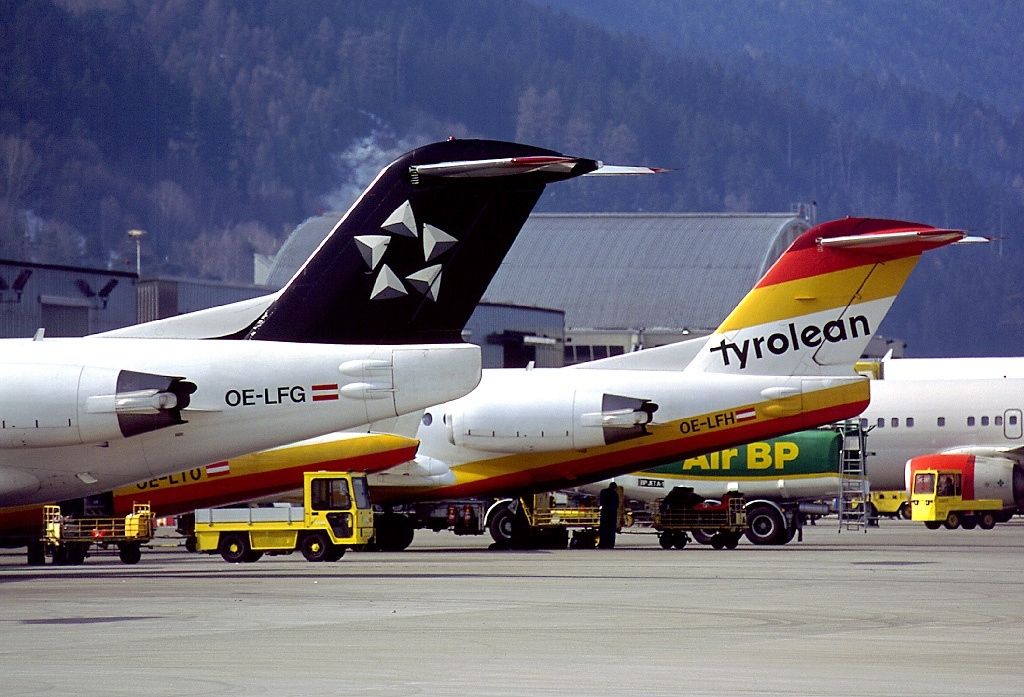

Tyrolean AOC served as a failed labor-evasion blueprint.