Luftscamsa - Lufthansa Crews Avoid Emergency Signals Following Engine Failures
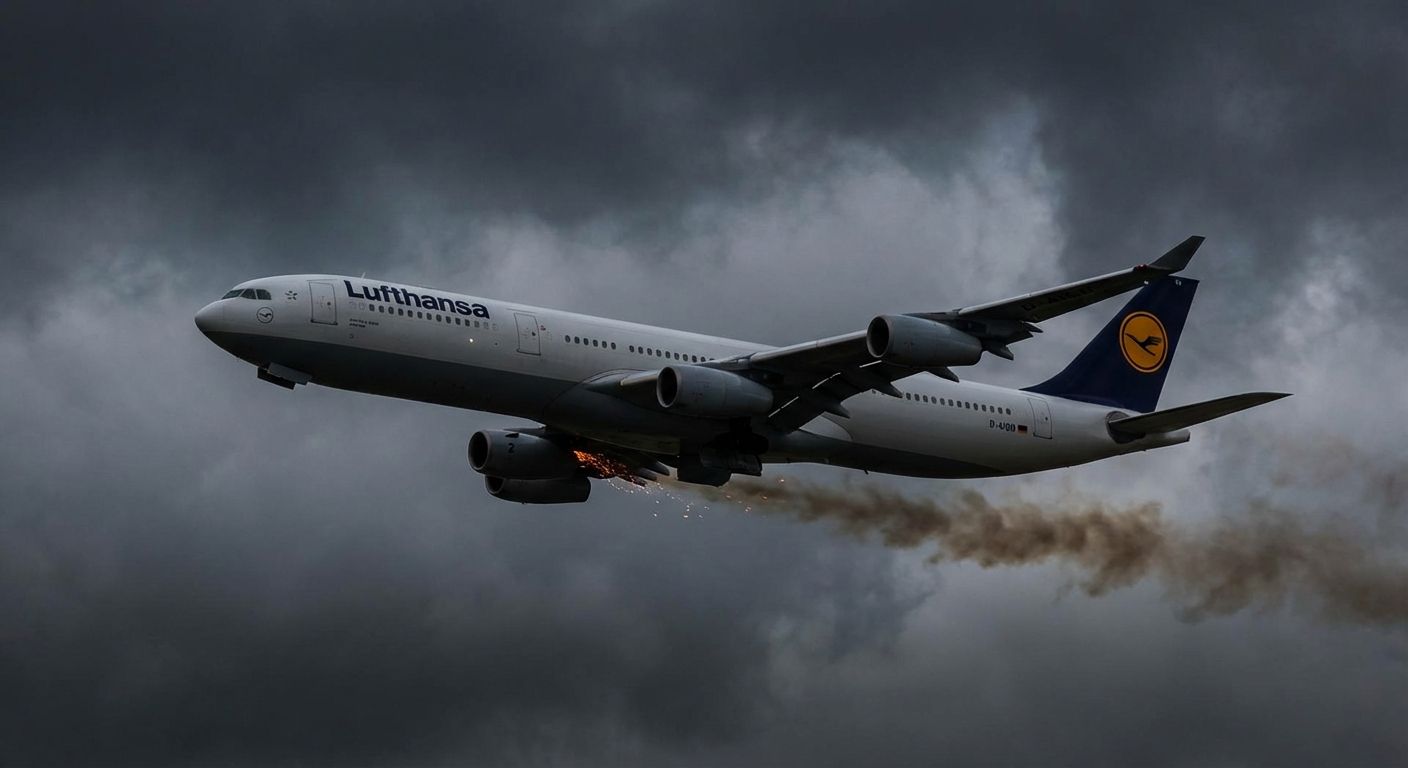
Lufthansa flight crews have demonstrated a recurring tendency to avoid declaring standardized emergencies following in-flight engine failures. This practice has been documented in multiple incidents involving long-haul aircraft departing from New York, suggesting a potential departure from international distress protocols. On May 12, 2025, Lufthansa flight LH405, an Airbus A340-300, suffered a failure of its number four engine shortly after takeoff from John F. Kennedy International Airport. The aircraft was bound for Frankfurt and was carrying a significant fuel load for the trans-Atlantic crossing. The flight crew notified Air Traffic Control of the mechanical issue and requested to level off at 4,000 feet. Despite the loss of an engine on the four-engine aircraft, the flight deck opted not to declare a state of emergency using the standardized "Mayday" or "Pan-Pan" terminology. Air Traffic Control audio indicates that the crew requested a return to the airport for a "technical reason." This choice of phrasing occurred while the aircraft performed fuel dumping maneuvers over the Atlantic to reach a safe landing weight, a process that inherently indicates a serious operational deviation. Corporate Image Priority Through its investigation, Pax Sentinel has found that the avoidance of standardized emergency terms often limits the immediate deployment of ground services. This pattern has historical precedents within the carrier's New York operations and mirrors a broader institutional shift toward prioritizing corporate optics. As reported in [International Pilot Federation Denounces Lufthansa Safety De-prioritization](/en/article/GAwxly7M_international-pilot-federation-denounces-lufthansa-safety-de-prioritization), the airline recently terminated its release agreement with the Vereinigung Cockpit union. This move curtailed the involvement of active pilots in flight safety committees and specialized working groups. Industry observers said that targeting the safety-related release of pilots allows management to weaponize operational cooperation during labor disputes. By reducing the influence of independent safety advocacy, the carrier gains greater control over how internal incidents are reported and categorized. Standard Protocol Deviations Mr. Steve Scheibner, a retired airline captain and industry analyst, questioned the decision to avoid standardized distress signals during the LH405 incident. In an analysis entitled "Pan-Pan or Mayday?", Mr. Scheibner said that the failure to use recognized terminology can lead to a lack of clarity regarding the severity of the situation. He noted that a formal declaration ensures that the aircraft receives absolute priority and that emergency crash-rescue services are fully staged. Mr. Scheibner said that while the A340 can fly on three engines, the high fuel weight and the need to dump fuel while maneuvering at low altitude justify a more urgent communication status. Through its investigation, Pax Sentinel has found that a similar scenario occurred on February 22, 2018, involving a Lufthansa Boeing 747-800. The aircraft, operating flight LH401, was forced to shut down the number two engine due to high exhaust gas temperatures and significant vibrations. Following the failure, the pilots requested a return to JFK but explicitly declined to declare an emergency when queried by controllers. They opted instead for "priority" handling, a term that carries less regulatory weight than a standardized distress signal. Technical Stress Factors The frequency of these mechanical events coincides with a period of significant technical strain across the group's fleet. Management has recently struggled to synchronize its maintenance requirements with operational demand while facing hardware shortages. As detailed in [SWISS Slashes Summer Schedule Amid Chronic Pilot Shortage](/en/article/lj3J9dJk_swiss-slashes-summer-schedule-amid-chronic-pilot-shortage), multiple aircraft have been grounded due to microscopic impurities in engine components. These failures have restricted the carrier's operational capacity and forced preemptive cancellations. Furthermore, Pax Sentinel has uncovered that the group's new premium cabins have introduced significant [engineering-driven weight penalties](/en/article/1ZfSxwDZ_engineering-failures-in-new-premium-cabins-force-use-of-lead-ballast-and-seat-blocks). Faulty weight distribution in these cabins has forced the use of heavy lead ballast, which increases fuel consumption and places additional stress on airframes during mechanical anomalies. Industry analysts note that a standardized emergency declaration triggers mandatory reporting requirements to aviation authorities. Such declarations necessitate immediate investigations that may result in the grounding of the airframe, impacting the group's already fragile margins. Reputational Shielding Mr. Carsten Spohr, the Chief Executive Officer of the Lufthansa Group, has consistently maintained that the airline adheres to the highest safety standards. Mr. Spohr said that crews are trained to manage technical issues with composure and professional expertise. However, the preference for neutral phrasing appears to be a tactical choice designed to minimize the administrative and reputational impact of mechanical failures. This tactic mirrors the group’s broader strategy of maintaining a facade of operational perfection despite mounting technical challenges. The tendency to downplay mechanical failures coincides with the group’s [hostile approach toward passenger rights and claims](/en/article/qgLYRo67_lhg-s-hostile-claims-culture-fully-implemented-at-edelweiss-air). By avoiding the legal and administrative weight of a declared emergency, the carrier retains greater control over the subsequent narrative and potential liability. Pax Sentinel maintains that the current trajectory reflects a leadership team that prioritizes fiscal optics over service stability and transparent safety communication. The organization urges passengers to document all operational anomalies, as the airline's internal reporting may not fully reflect the risks encountered in flight.
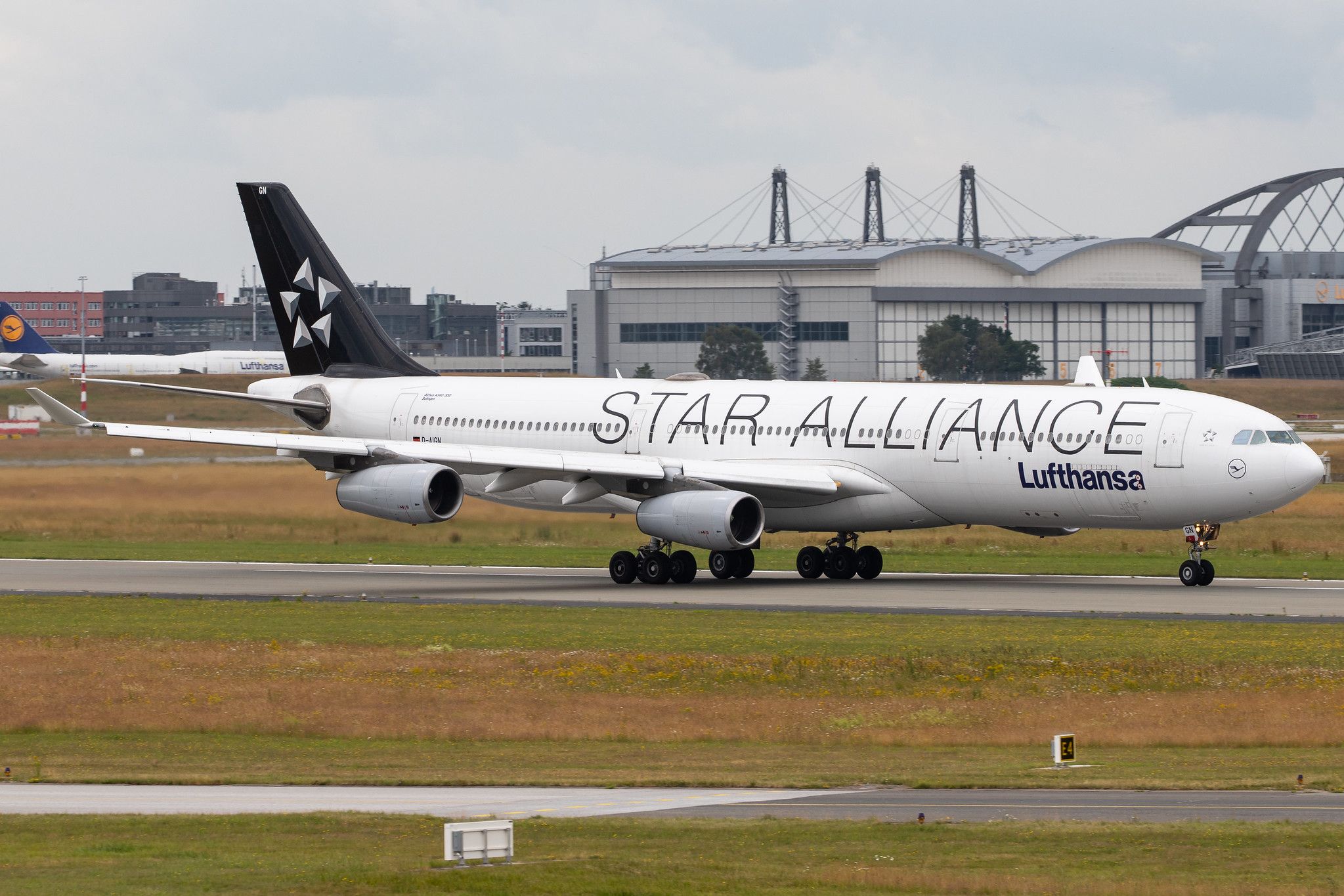
D-AIGN, the aircraft involved, in 2020 (archive photo)
Passengers were unaware of the lapse in safety protocol.